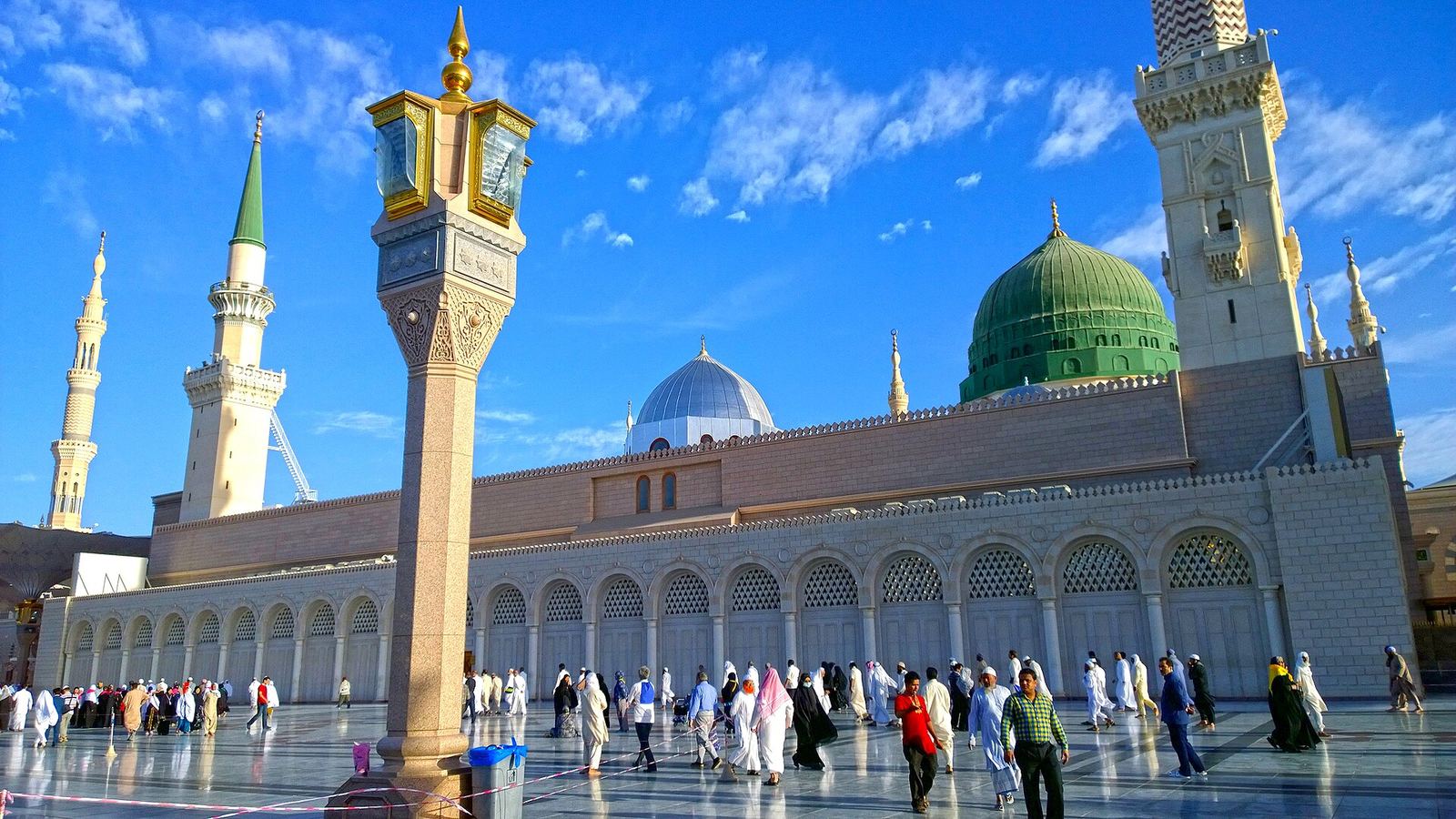
By the holidaysaudi.com team · Updated 12 October 2026
Ramadan, the ninth month of the Islamic calendar, is the most important time of the year in Saudi Arabia. Muslims fast from dawn to sunset, abstaining from food, drink and smoking, and the rhythm of daily life changes completely. For visitors, travelling during Ramadan has drawbacks, such as quiet daytimes and shorter opening hours, but also real rewards: festive evenings, beautifully lit streets and a strong sense of community and generosity. Here is what to expect and how to plan.
When is Ramadan 2027?
The Islamic calendar is lunar, so Ramadan moves about 11 days earlier each year. Ramadan 2027 is expected to begin on or around 8 February 2027, with Eid al-Fitr around 9 or 10 March 2027. The exact dates depend on the sighting of the new moon and are confirmed by the Saudi authorities only on the evening before, so keep your plans flexible by a day or two.
| Date (expected) | What happens |
|---|---|
| Around 7 February 2027 (evening) | Moon sighting; first tarawih night prayers |
| Around 8 February 2027 | First day of fasting |
| 22 February 2027 | Founding Day, a public holiday, falls during Ramadan |
| Late February to early March | The last ten nights, the busiest time for Umrah |
| Around 9–10 March 2027 | Eid al-Fitr and several days of public holidays |
The weather in February and March is among the best of the year, warm by day and cool in the evening, which makes Ramadan 2027 a pleasant time to visit if you are happy to adapt. See our best time to visit guide.
Days and nights: how the rhythm changes
During the day, cities are calm. Many shops open late in the morning and close in the afternoon, government offices work shorter hours, and most restaurants and cafés are closed until sunset. Some sights and museums adjust their hours or open in the evening instead. Check opening times the day before.
At sunset, the call to prayer signals iftar, the meal that breaks the fast, usually starting with dates, water or laban and soup. Streets empty for a short while as everyone eats, and then the cities come alive. Malls, souqs and restaurants stay open until late at night, often until two or three in the morning, and families stroll and shop. Before dawn comes suhoor, a final meal before the next day's fast.
Eating, drinking and behaving respectfully
Non-Muslims are not expected to fast, but you should not eat, drink, chew gum or smoke in public during daylight hours, including in your car if it is visible. In practice this is easy to manage:
- Hotels serve breakfast and often lunch for guests, usually in a screened-off area, and room service works as normal.
- Some cafés and restaurants sell takeaway food during the day for eating at home or in your room.
- Supermarkets stay open, so stock up on snacks and water to keep in your room. Drink plenty, especially if you are out sightseeing.
- Dress a little more conservatively than usual, keep music low and avoid loud behaviour in public; see our guide to what to wear in Saudi Arabia.
- Greet people with "Ramadan Kareem" (generous Ramadan); the reply is "Allahu akram". At the end of the month, say "Eid Mubarak". More phrases are in our Arabic phrases guide.
The best Ramadan experiences
- Iftar: hotels and restaurants offer lavish iftar buffets, and many mosques and charities run free iftar meals. If you are invited to share iftar with a family, accept: it is one of the warmest experiences you can have in the country.
- Ramadan nights in Al Balad: Jeddah's historic Al Balad is especially atmospheric, with lanterns, food stalls and traditional performances in the evenings. Stay nearby via Booking.com.
- Night markets and malls: in Riyadh and other cities, seasonal markets sell sweets, dates, perfumes and new clothes for Eid.
- Desert evenings: AlUla and the desert around Riyadh are lovely after dark in February and March. Compare evening tours on GetYourGuide.
Umrah and the holy cities
Ramadan is the most popular time of year for Umrah, the lesser pilgrimage, especially in the last ten nights. Muslim visitors need a permit booked through the official Nusuk platform (nusuk.sa), and hotels in Makkah and Madinah are booked out and expensive, so plan many months ahead. Flights into Jeddah and Madinah are also very busy. Non-Muslims may not enter Makkah, and in Madinah the central area around the Prophet's Mosque is reserved for Muslims.
Eid al-Fitr
Eid al-Fitr marks the end of Ramadan with prayers, family visits, new clothes, sweets and, in many cities, fireworks and concerts. It is a joyful time to be in the country, but also one of the busiest travel periods: Saudis take holidays, domestic flights fill up and hotel prices rise. Book transport and accommodation early, for example via Trip.com, and expect some businesses to close for a few days. Check our events page and events guide for celebrations.
Plan your Saudi trip
Visa, hotels, tours and transport in one place.
Frequently asked questions
When is Ramadan in 2027?
Ramadan 2027 is expected to begin on or around 8 February 2027 and end with Eid al-Fitr around 9 or 10 March 2027. Exact dates depend on the moon sighting and are confirmed the evening before.
Can tourists eat during Ramadan in Saudi Arabia?
Yes, non-Muslims do not have to fast, but they should not eat, drink or smoke in public during daylight. Hotels serve meals to guests, and takeaway food and supermarkets are available.
Are tourist attractions open during Ramadan?
Most are, but opening hours often change, with shorter daytime hours or evening openings. Check times the day before, and expect restaurants to open from sunset until late at night.
Is Ramadan a good time to visit Saudi Arabia?
It can be. Days are quiet and some services are limited, but the evenings are festive and the weather in February and March is pleasant. Avoid Makkah and Madinah hotel bookings late in the month unless you are travelling for Umrah, as demand is very high.
Header photo: Photo: SHAHID SIDDIQI from Karachi, Pakistan, CC0
Some links on this page are affiliate links. If you book through them we may earn a small commission at no extra cost to you. Learn more.