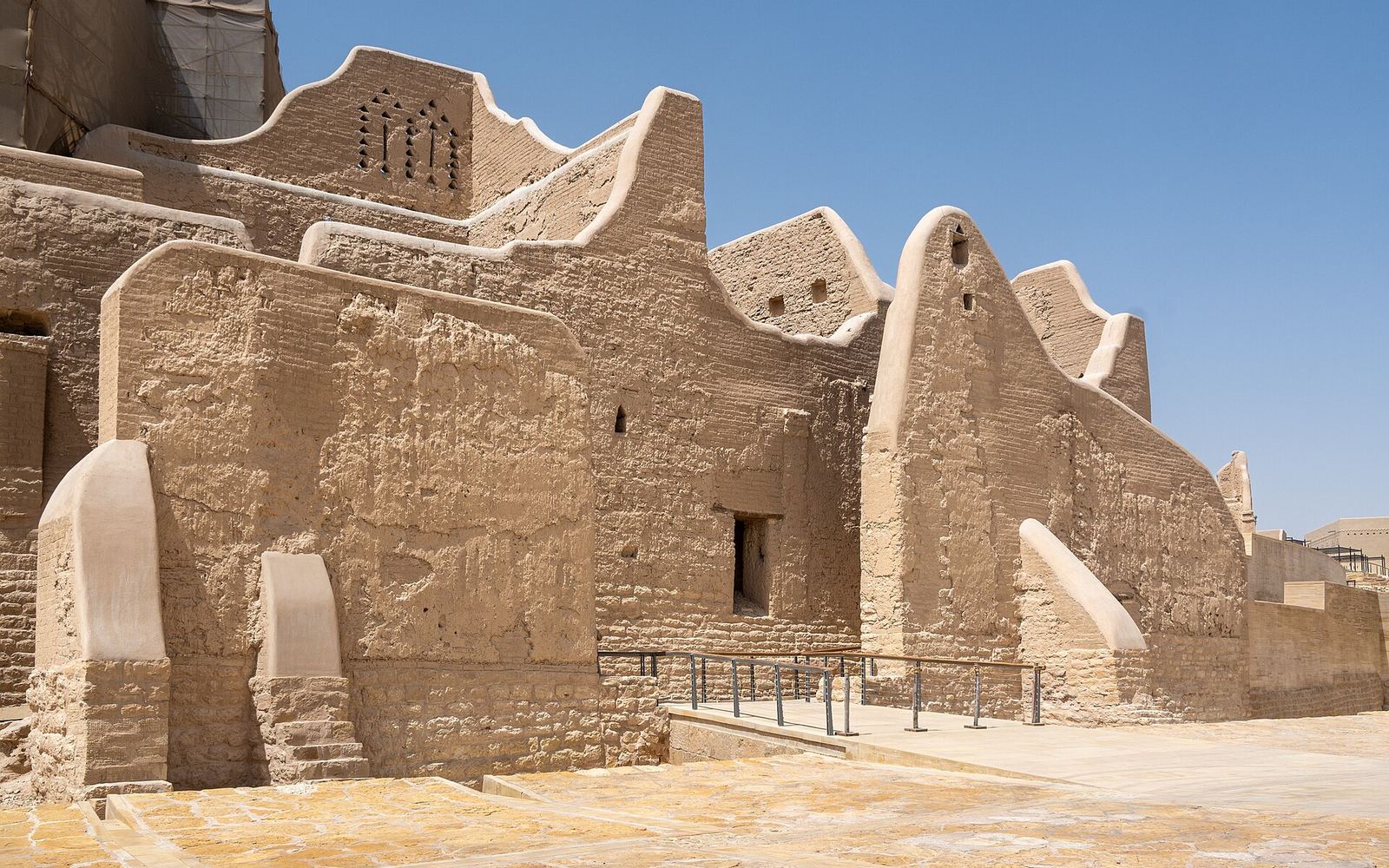
- AreaNorth-western edge of Riyadh, along Wadi Hanifah
- Best forHistory, architecture, dinner with a view
- TimeHalf a day to a full evening
- TipArrive an hour before sunset to see At-Turaif in golden light
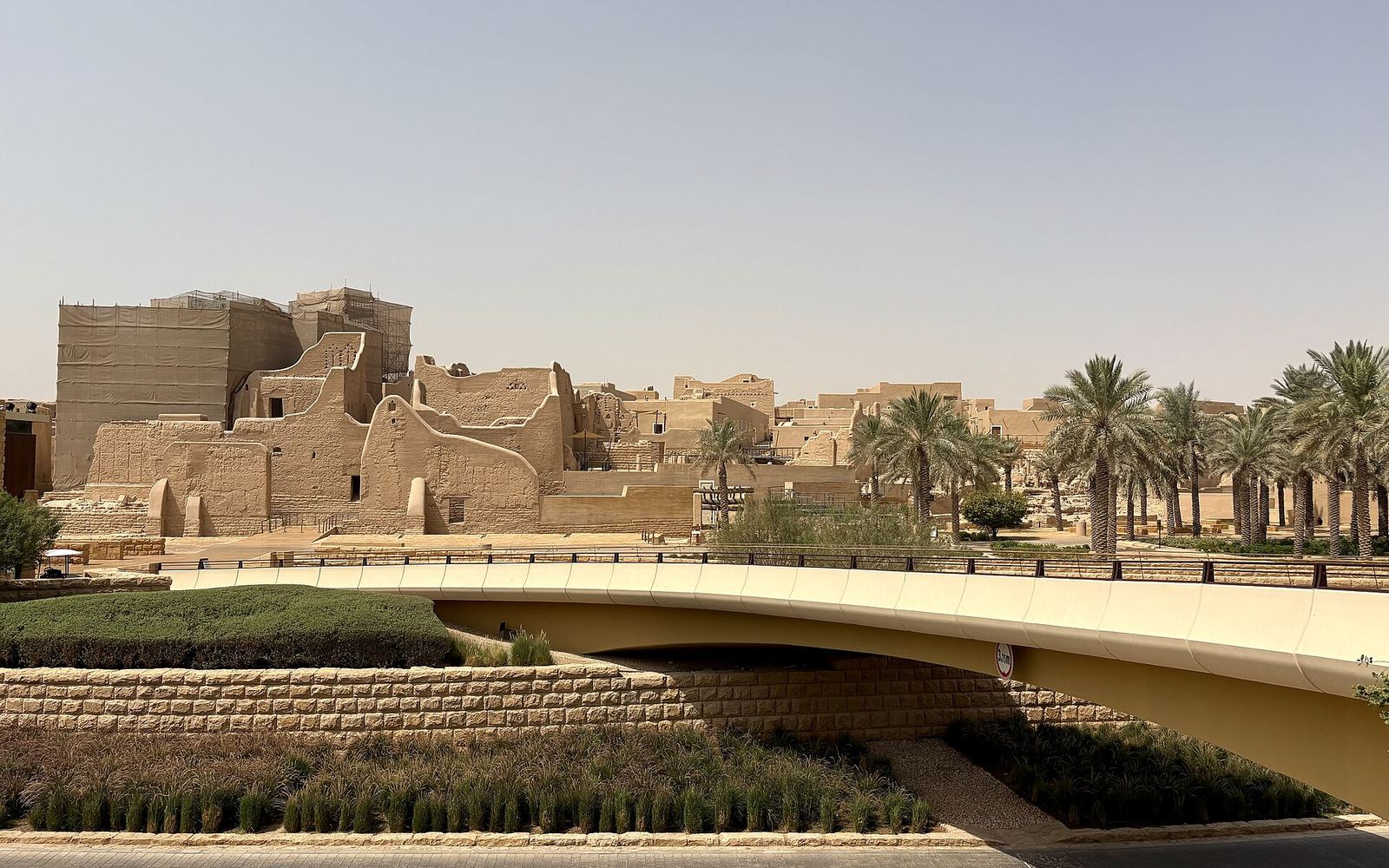
Diriyah is where the story of Saudi Arabia begins. In the 18th century this cluster of mud-brick palaces and farms on the banks of Wadi Hanifah became the capital of the first Saudi state, founded in 1727 and ruled from here until Ottoman-Egyptian forces destroyed it in 1818. The ruins were left largely untouched for two centuries; today they form one of the Kingdom's flagship heritage projects, and an easy half-day trip from central Riyadh.
At-Turaif: the UNESCO district
The citadel of At-Turaif was inscribed on the UNESCO World Heritage List in 2010 as an outstanding example of Najdi architecture. Sun-dried mud bricks, palm-trunk ceilings and triangular wall openings shape palaces such as Salwa Palace, the seat of the early imams, as well as mosques, bathhouses and family homes. Restored buildings house galleries and small museums that explain daily life, the Arabian horse, military history and the rise of the state.
Entry to At-Turaif is by ticket, usually bought online through Diriyah's official channels; guided tours are available and well worth it for context. Paths are mostly flat but unpaved in places, so wear comfortable shoes.
Bujairi Terrace and the wadi
Across the wadi from At-Turaif, Bujairi Terrace is a car-free dining quarter built in the Najdi style, with a mix of Saudi and international restaurants and cafés, many with outdoor seating facing the illuminated citadel. It is one of the most popular evening spots in the capital, especially at weekends, so reserving a table is a good idea.
Below the terrace, landscaped walking paths follow Wadi Hanifah, the seasonal valley that made settlement here possible. It is pleasant for a stroll after dinner in the cooler months. Look out for the Imam Mohammed bin Saud Mosque and the restored old farms of the Bujairi quarter.
A district under construction
Diriyah is in the middle of a huge development programme that will add museums, hotels, a cultural district and residential areas around the historic core. Expect cranes and occasional diversions, and check which attractions and events are open during your visit. The district also hosts major events, from Formula E racing to seasonal festivals; see our events guide.
Getting there and staying
Diriyah lies roughly 15–20 km north-west of Olaya, around 20–30 minutes by taxi or ride-hailing app depending on traffic. If you are driving, there is parking near the visitor areas; compare car hire in Riyadh. Most visitors stay in central Riyadh and come out for the evening, but hotels in and around Diriyah are growing in number: compare hotels near Diriyah.
Combine it with
Pair Diriyah with the National Museum and Masmak Fort to follow Saudi history from the first state to the founding of the modern Kingdom in a single day. If you enjoy mud-brick heritage, the oasis towns of Al-Ahsa and the Old Town of AlUla make excellent next stops.
Tours: Diriyah
Compare guided trips, transfers and tickets.
Frequently asked questions
Do I need a ticket for Diriyah?
Bujairi Terrace and the wadi paths are generally free to enter, while At-Turaif requires a ticket, best booked online in advance. Prices and inclusions can change, so check the official site.
How long should I spend in Diriyah?
Allow two to three hours for At-Turaif, plus time for dinner at Bujairi Terrace. A late afternoon to evening visit is ideal.
How do I get to Diriyah from central Riyadh?
Take a taxi or ride-hailing car; the journey is around 20–30 minutes from Olaya. Driving yourself is also easy, with parking near the visitor areas.
Some links on this page are affiliate links. If you book through them we may earn a small commission at no extra cost to you. Learn more.