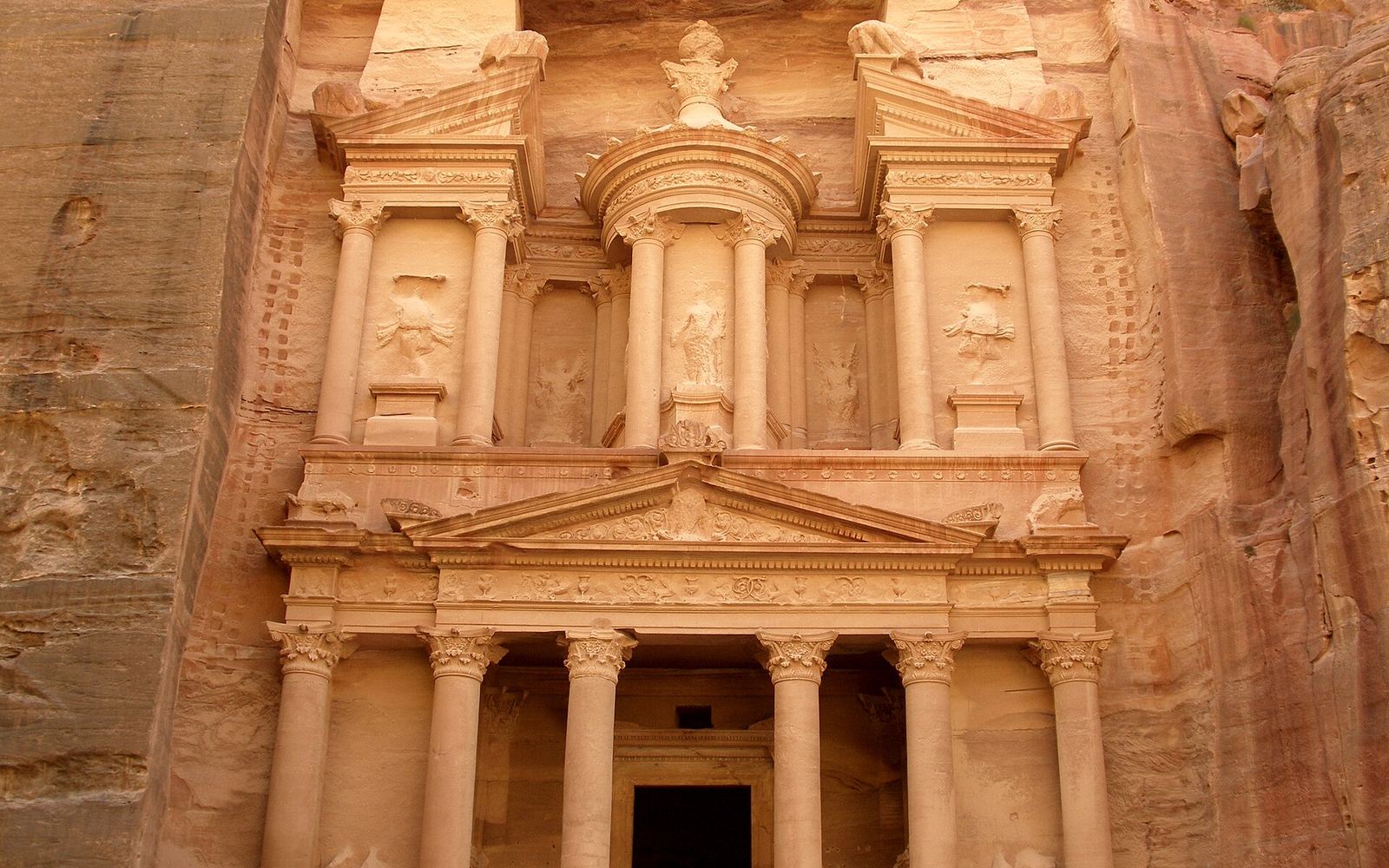
- DistanceHaql (Saudi) to Aqaba around 30 km; Riyadh–Amman about 2 hours' flying
- Getting thereDurra, Al-Omari and Mudawwara land borders; flights to Amman and Aqaba
- CurrencyJordanian dinar (JOD)
- EntryJordan Pass or visa on arrival for many nationalities
Jordan and Saudi Arabia share a long desert border and a deep history. The Nabataeans who carved Hegra near AlUla ruled from Petra, and pilgrim caravans and the old Hejaz Railway once ran south through Jordan towards Madinah. Today it is easy to combine the two: fly between the capitals, or drive from the Tabuk region straight to Aqaba and Wadi Rum.
How to get there from Saudi Arabia
By air, Royal Jordanian, Saudia, flynas and flyadeal link Amman's Queen Alia International Airport with Riyadh, Jeddah, Dammam and other Saudi cities; Riyadh to Amman takes a little over two hours. In winter, Royal Jordanian has also flown between Amman and AlUla. Compare fares on Trip.com.
By road, three crossings are open around the clock:
- Durra, opposite Haql on the Gulf of Aqaba, the most useful for travellers, just south of Aqaba.
- Al-Omari (Al-Haditha on the Saudi side), the main crossing for the Riyadh–Amman route, around 155 km from Amman.
- Mudawwara, in the south-east, on the desert highway.
Saudi rental cars usually need written permission and Jordanian insurance to cross, and many travellers instead take a taxi to the border and pick up a car or driver on the Jordanian side. A departure fee may apply when leaving Jordan overland.
Entry rules for visitors coming from Saudi
Most Western nationalities can buy a visa on arrival (around 40 JOD) at Queen Alia Airport and at most land borders, including the crossings with Saudi Arabia. Better value for tourists staying at least three nights is the Jordan Pass, bought online from the official site before you arrive: it waives the visa fee and includes entry to Petra, Wadi Rum and 40-plus other sites. Arriving via Aqaba can also bring a free visa under the Aqaba Special Economic Zone rules, with conditions. GCC citizens can generally obtain entry on arrival without applying in advance; residents of Saudi Arabia holding other passports should check their nationality's rules, as some need a visa beforehand. Always confirm current requirements with official Jordanian sources, and make sure your Saudi visa allows re-entry.
Highlights
- Petra: the Siq, the Treasury and the Monastery; allow at least a full day, ideally two.
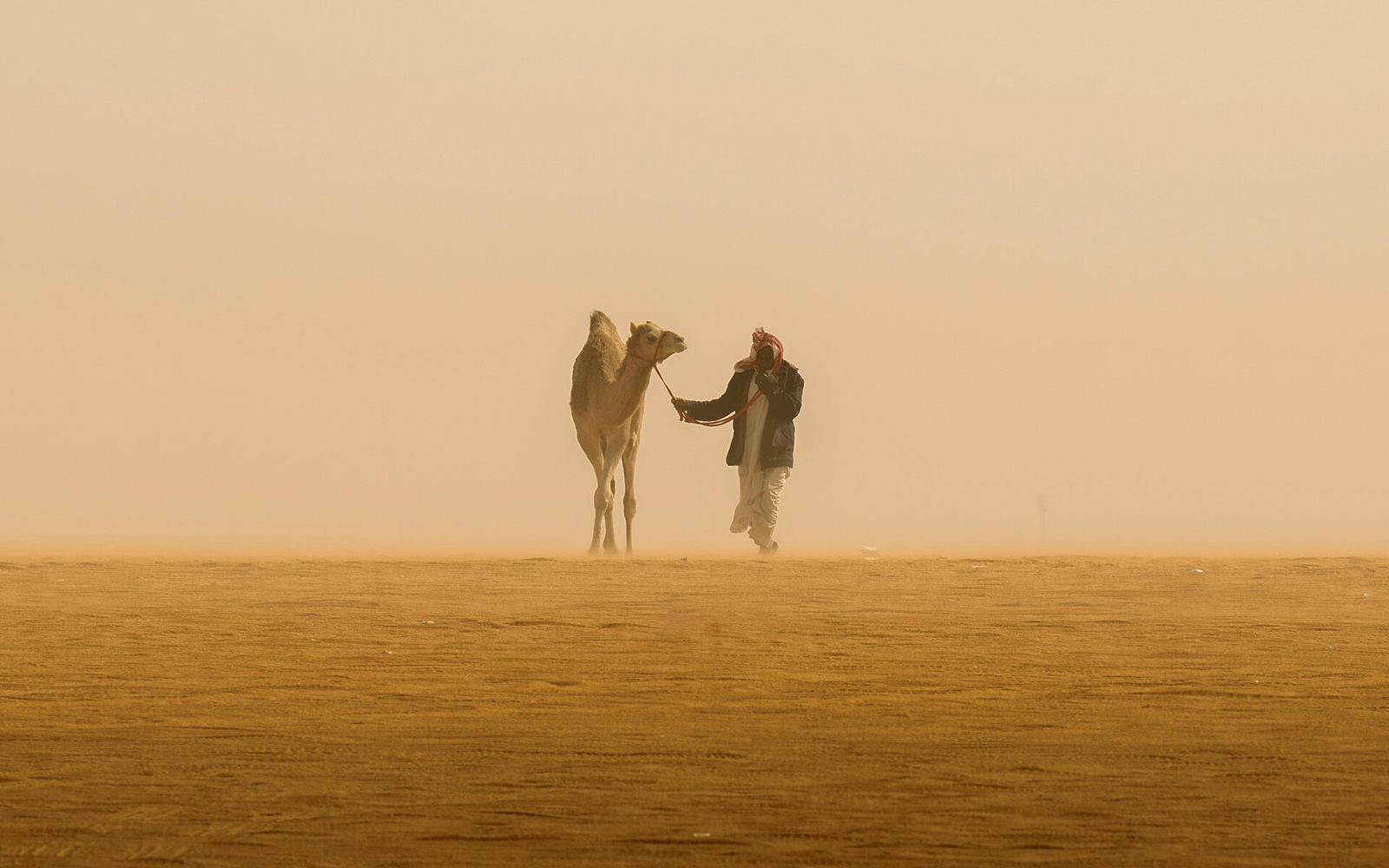
- Wadi Rum: red-sand desert, jeep tours and nights in Bedouin camps.
- Aqaba: coral reefs and diving just across the gulf from Saudi Arabia.
- The Dead Sea: floating at the lowest point on land.
- Amman and Jerash: the Citadel, Roman theatre and one of the best-preserved Roman cities anywhere.
Guided trips from Aqaba or Amman make logistics easy: see Petra tours. To stay near the site, compare hotels in Petra and Wadi Musa.
How it pairs with a Saudi trip
A classic north-west loop runs AlUla, Tabuk and Wadi Disah, then up the coast to Haql, across the Durra border to Aqaba, Wadi Rum and Petra, flying home from Amman. Our grand tour ideas include this route, and the Saudi visa guide covers re-entry.
Tours: Jordan from Saudi Arabia
Compare guided trips, transfers and tickets.
Frequently asked questions
Can I drive from Saudi Arabia to Jordan?
Yes. The Durra crossing near Haql leads to Aqaba, and the Al-Omari crossing serves the Riyadh–Amman route. Rental cars need permission and Jordanian insurance to cross.
Is the Jordan Pass worth it?
For most tourists staying three nights or more, yes. It covers the visa fee and entry to Petra and many other sites, and must be bought online before arrival.
How far is Petra from the Saudi border?
Petra is roughly 140 km from the Durra crossing, about two hours' drive via Aqaba.
Some links on this page are affiliate links. If you book through them we may earn a small commission at no extra cost to you. Learn more.