- AreaOld town, central Jeddah
- Best forArchitecture, souqs, evening walks
- Time2–4 h
- CostFree to wander; some houses charge entry
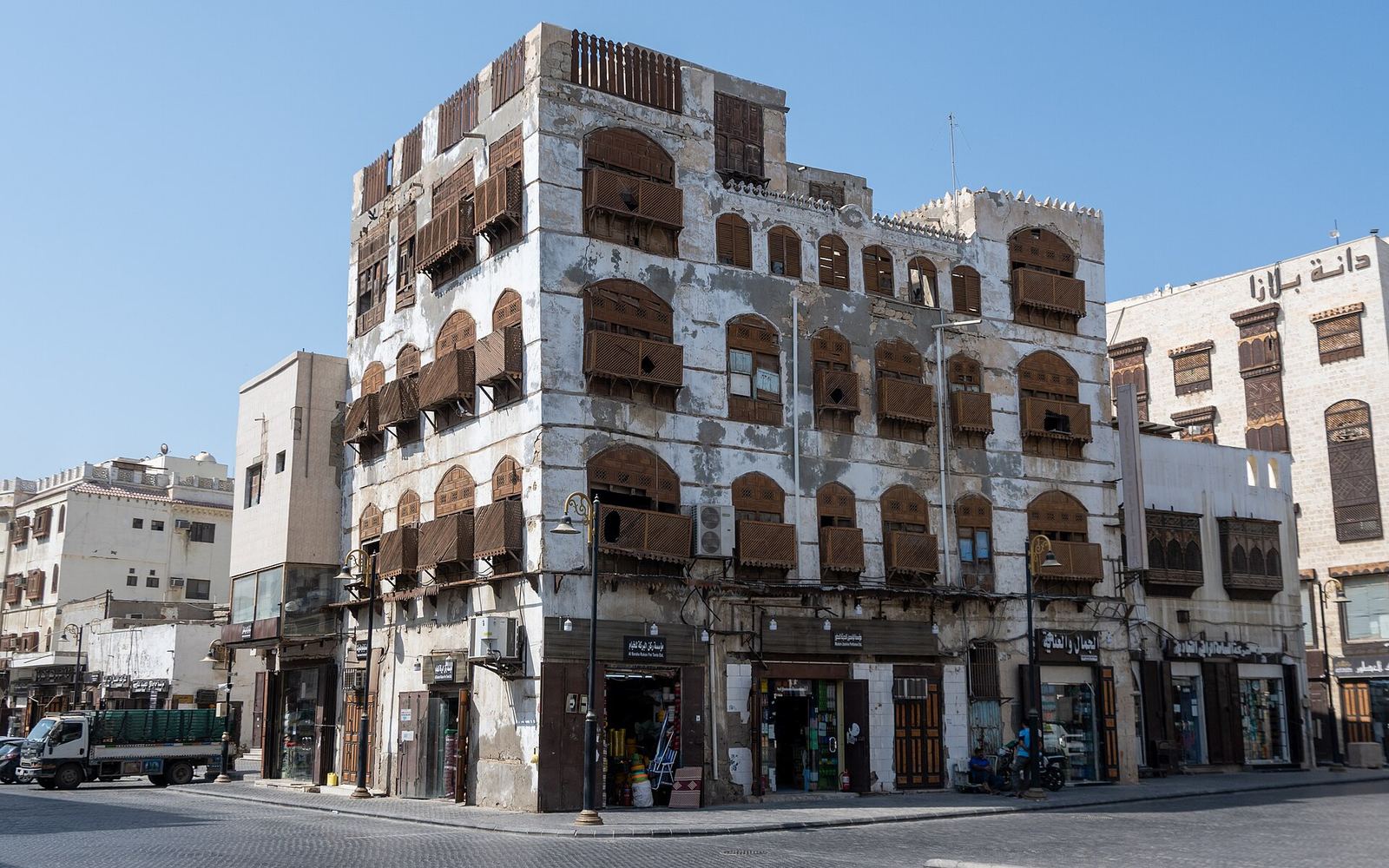
For centuries, pilgrims arriving by sea for the Hajj landed at Jeddah and passed through its walled old town on their way to Makkah. Merchants grew rich on that trade and built tall houses of coral stone quarried from the Red Sea, topped with wooden latticed balconies called rawashin that caught the sea breeze and kept the interiors shaded. That town is Al Balad. In 2014 UNESCO inscribed it as "Historic Jeddah, the Gate to Makkah", and a major restoration programme is now bringing many of its houses back to life.
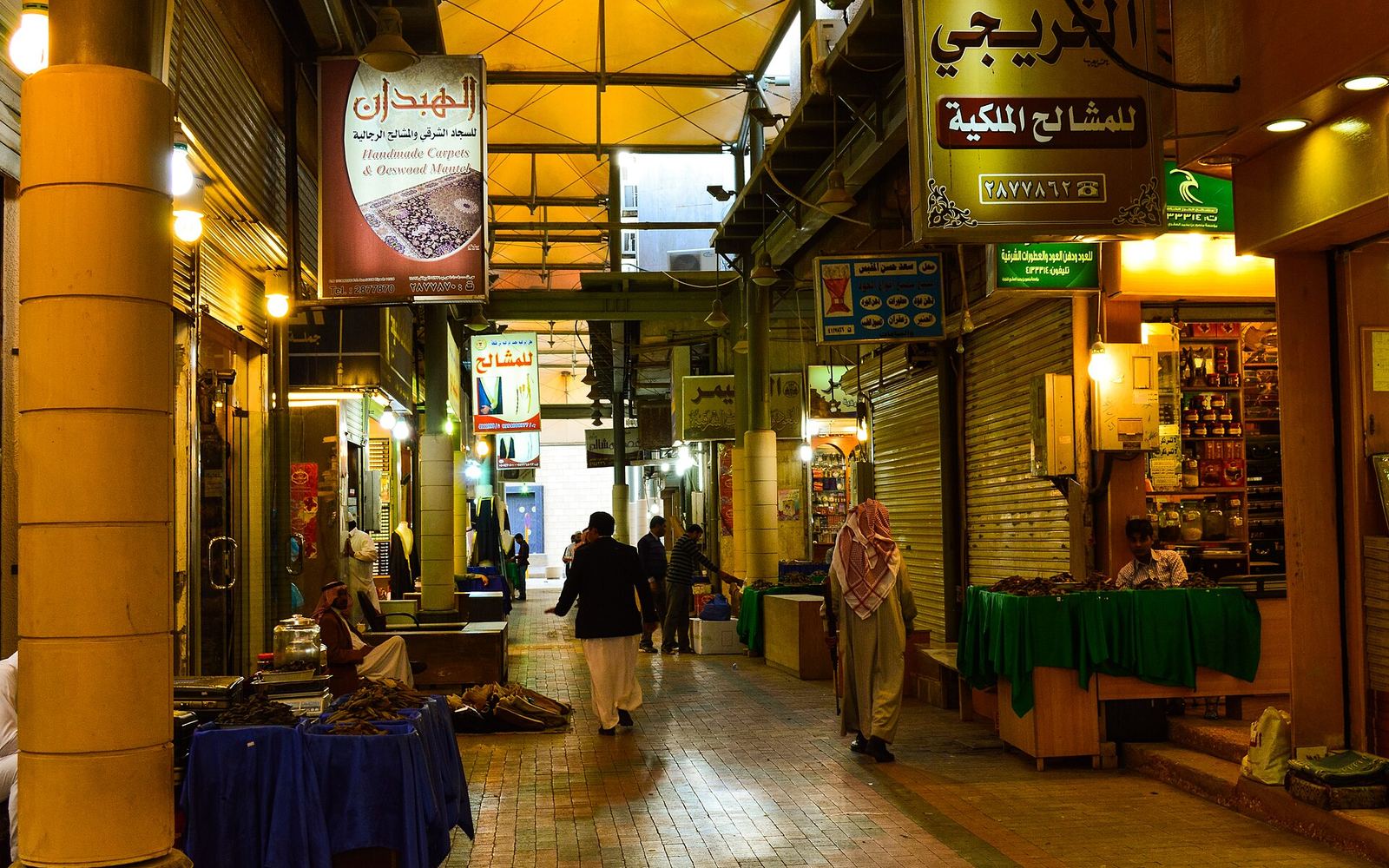
Al Balad is not a museum quarter. People still live, work and shop here, and the noise of the souqs mixes with the call to prayer from its old mosques. That everyday life is what makes it so rewarding to explore on foot.
What to see
- Nasseef House (Bait Nassif): the most famous merchant house, completed in the late 19th century, with a ramp wide enough for camels and a story that King Abdulaziz stayed here in 1925. It often hosts exhibitions.
- The rawashin: look up. The best-preserved balconies are along the lanes around Nasseef House and Souq Al-Alawi.
- Souq Al-Alawi: the long main market street, selling spices, perfumes, fabrics, dates and gold.
- Al-Shafi'i Mosque: one of the oldest mosques in Jeddah, with a distinctive minaret.
- Bab Makkah: the restored gate on the eastern side, where the road to Makkah began.
How to visit
Wandering the lanes is free. Some restored houses and galleries charge a small entry fee or have their own opening hours, and events during Jeddah's season and in Ramadan may be ticketed. A guided walk is the best way to understand the architecture and the families behind the houses; compare options on GetYourGuide or Viator. Restoration means some streets are fenced off at times, so check what is open before you go.
Eating in Al Balad
The old town is the place to try Hejazi street food: mutabbaq (stuffed fried pastry), balila (spiced chickpeas), fresh juices and sweets. Small eateries and traditional coffee houses cluster around the souqs. Our food guide explains the dishes to look out for.
Getting there
Al Balad lies a few kilometres south of the main corniche area. Taxis and ride-hailing apps are the simplest way to arrive; ask to be dropped near Bab Makkah or Nasseef House. Parking is tight, so avoid driving in the evening.
Combine it with
After dark, head north to the Jeddah Corniche for a seafront stroll and the floodlit jet of King Fahd Fountain. If you have more time, the Red Sea islands of Farasan are a short flight south. To wake up in the old town, search Booking.com for heritage hotels in and around Al Balad.
Tours: Al Balad (Historic Jeddah)
Compare guided trips, transfers and tickets.
Frequently asked questions
Is Al Balad free to visit?
Yes, walking around Al Balad and its souqs is free. Some restored houses, galleries and seasonal events charge entry.
Why is Al Balad a UNESCO site?
UNESCO listed it in 2014 as Historic Jeddah, the Gate to Makkah, for its coral-stone tower houses and its role as the port where pilgrims arrived on the way to Makkah.
When is the best time to visit Al Balad?
Late afternoon into the evening, from October to April. The heat and humidity are lower and the souqs are at their liveliest after sunset.
Some links on this page are affiliate links. If you book through them we may earn a small commission at no extra cost to you. Learn more.