- AreaCentre of AlUla, beside the oasis
- Best forEvening strolls, food, heritage
- Time1.5–3 h
- CostFree; guided tour from around SAR 70
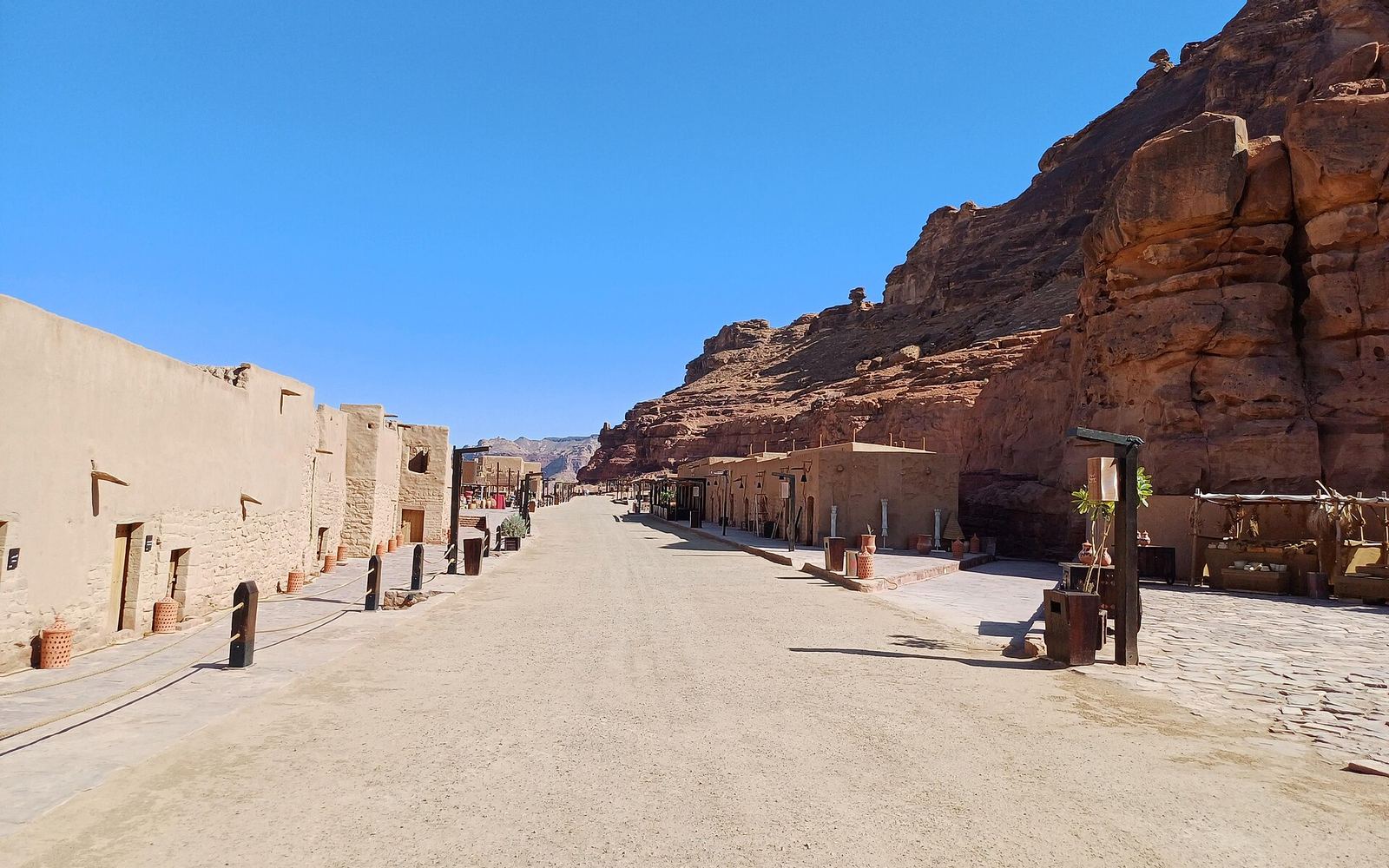
For centuries, travellers on the incense and pilgrim routes stopped at the oasis of AlUla, and the walled town that grew up beside the palm groves is its oldest living neighbourhood. Parts of it date back to at least the 12th century. At its height around 900 mudbrick and stone houses were packed together here, so tightly that the outer walls formed a defensive ring and the narrow, partly covered lanes stayed cool in summer. Families lived here until the 1980s, when the last residents moved to the modern town.
Today the Old Town is being carefully restored. Some lanes are open ruins, others have been rebuilt with shops, galleries and restaurants, and above it all stands AlUla Fort (also called Musa bin Nusayr Castle), a small hilltop citadel with a sweeping view over the rooftops and the oasis.
What to see
- Old Town Market Street: the restored main lane, lined with craft shops, coffee houses and small museums. No ticket is needed.
- AlUla Fort: the climb is short but steep, and the view at dusk is the best orientation you will get to the valley. Access to the top is included in some guided tours.
- The oasis: right next door, the Oasis Heritage Trail runs for about 3 km under date palms and is free to walk.
- Madrasat Addeera: a former girls' school on the edge of the Old Town, now a centre for local crafts where you can see artisans at work.
How to visit
Entry to the Old Town is free and open to all. Most shops and cafés open in the morning, close for part of the afternoon and come alive again after about 15:00, staying open until 23:00 or later, with restaurants serving until around 01:00 in season. For context, book the Old Town Tour on Experience AlUla: about 90 minutes with a local guide, from around SAR 70 per person, including some areas closed to the public. Hours and prices change by season, so check before you go.
Eating and shopping
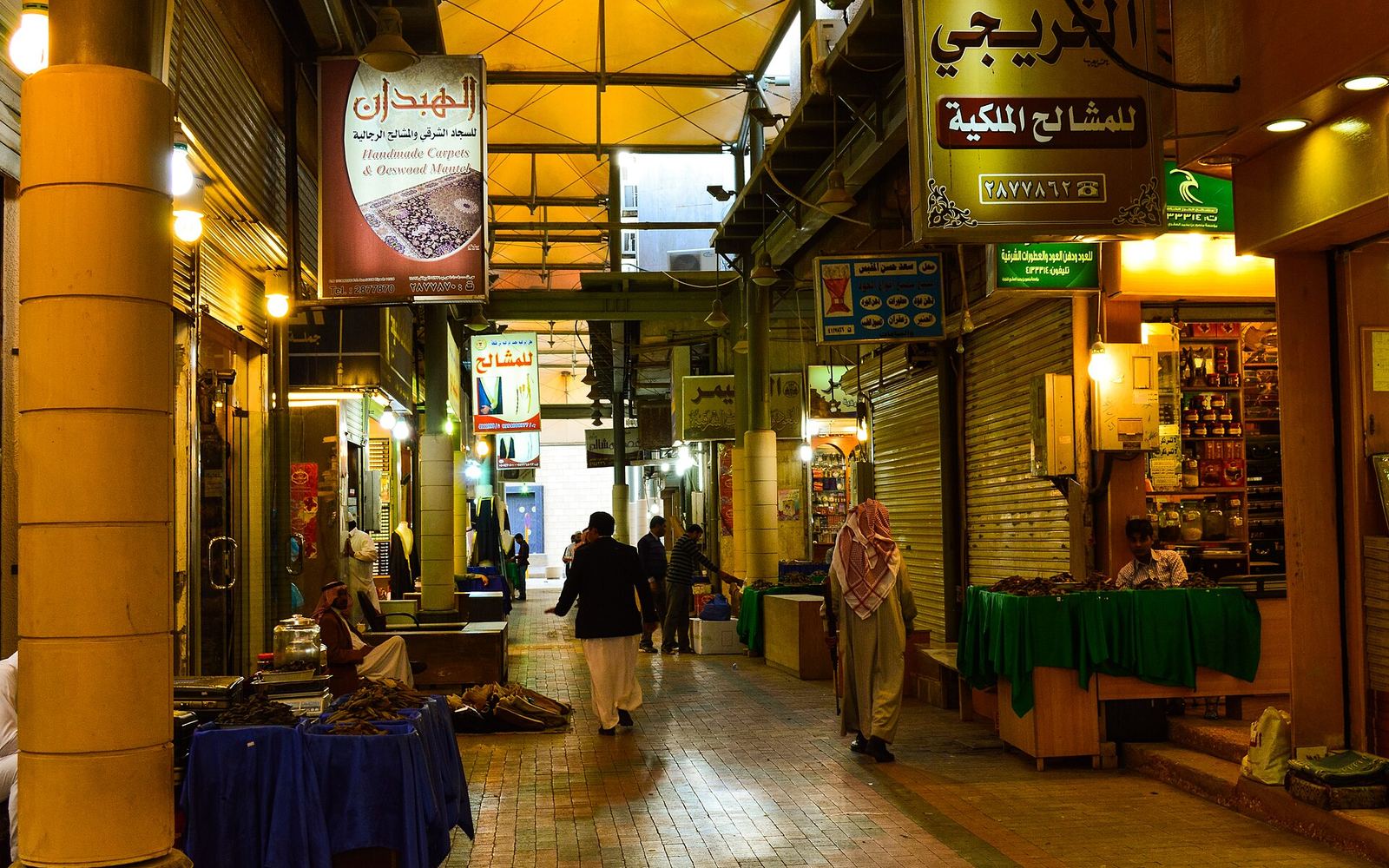
Market Street is the easiest place in AlUla to find dinner, with options from Saudi home cooking to international cafés. It is also a good place to try local dates, AlUla's famous citrus and Saudi coffee with cardamom; our food guide explains what to order. Bargaining is not the custom in the shops here, as prices are fixed.
Combine it with
The Old Town is a natural end to any AlUla day. Spend the morning at Hegra, watch the sunset at Elephant Rock and come back here for dinner, or stop at Maraya on the way. Day tours that combine the highlights are on GetYourGuide. If you want to stay within walking distance of the lanes, search Booking.com for heritage guesthouses and hotels in the town centre.
Tours: AlUla Old Town
Compare guided trips, transfers and tickets.
Frequently asked questions
Is AlUla Old Town free?
Yes, walking through the Old Town and Market Street is free. Guided tours, starting from around SAR 70, include areas that are otherwise closed.
When is the best time to visit the Old Town?
Late afternoon and evening. The shops and restaurants come alive after about 15:00, and the lantern-lit lanes are at their best after dark.
How old is AlUla Old Town?
Parts of it date back to at least the 12th century, built on a site settled for far longer. It was inhabited until the 1980s.
Some links on this page are affiliate links. If you book through them we may earn a small commission at no extra cost to you. Learn more.